The Role of Luck in Casinos
Luck is often considered the primary factor when it comes to gambling in casinos. Many games, such as slots and roulette, are heavily reliant on chance, where outcomes are determined by random number generators or spinning wheels. Players may find themselves winning big one moment and losing the next, showcasing the unpredictable nature of luck in action. For example, a person could place a bet and hit the jackpot on a slot machine purely by chance, demonstrating how luck can significantly impact the gaming experience at the official website Unlim Luck online casino where excitement awaits every player.

Moreover, the element of luck can create an exhilarating atmosphere in casinos, drawing people in and encouraging them to take risks. The thrill of not knowing the outcome transforms even casual players into thrill-seekers. This phenomenon becomes evident during large jackpots or special promotions, where even those who do not typically gamble may join in, fueled by the hope of a windfall. Thus, luck is not just a factor; it can be the defining moment for many players, making it an essential aspect of the casino environment.
However, the reliance on luck can also lead to disillusionment among players. Those who lose repeatedly may begin to feel that the odds are stacked against them, creating a sense of frustration and hopelessness. This is especially true in games where players have no control over outcomes. Understanding the role of luck is crucial, as it can lead to a healthier approach to gambling, where players recognize that not winning is part of the experience, and that it’s essential to gamble responsibly.
The Importance of Skill in Casino Games
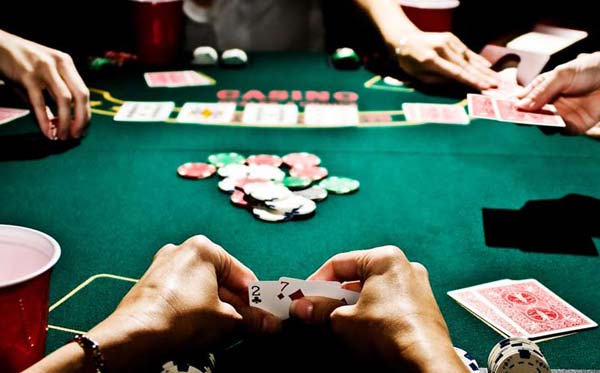
While luck plays a pivotal role, skill cannot be overlooked, especially in certain games such as poker, blackjack, and baccarat. In these games, players have the opportunity to employ strategies and techniques that can influence their outcomes significantly. For instance, a skilled poker player can read opponents and make decisions based on the behavior and betting patterns displayed, adding layers of strategy to the game. This ability to blend psychological insight with gameplay provides a foundation where skill directly interacts with luck.
Moreover, the impact of skill extends beyond just understanding the games themselves. It encompasses the knowledge of probabilities, betting strategies, and the ability to manage one’s bankroll effectively. For example, in blackjack, players who are adept at counting cards can gain an advantage over the house by adjusting their bets based on the count of high-value cards remaining in the deck. This strategic play demonstrates how skill can create opportunities for consistent success, contrasting sharply with games of pure chance.
Additionally, experienced players often build a robust understanding of game mechanics and typical player tendencies, which further enhances their chances of success. They can make informed decisions that maximize their potential for winnings, illustrating that while luck may determine the final outcome, skill can provide a substantial edge. In this light, the marriage of luck and skill is essential in navigating the dynamics of casino games, as proficient players often fare better in the long run compared to those who rely solely on chance.
The Psychology Behind Gambling: Luck vs. Skill
The psychological aspects of gambling reveal fascinating insights into how people perceive luck and skill. Many players tend to attribute their wins to skill, especially after a series of successful bets, while losses are often dismissed as mere bad luck. This cognitive bias can lead to an inflated sense of control over outcomes, encouraging individuals to gamble more despite evidence to the contrary. Understanding this psychology is crucial, as it can affect gambling behavior and decision-making processes.
For instance, a player who wins a few hands in poker might become overconfident in their abilities, assuming they have a better grasp of the game than they truly do. This can lead to reckless decision-making, where they risk larger sums without fully weighing the consequences. On the other hand, recognizing the role of luck can lead to a more balanced perspective, allowing players to understand that losses are a natural part of the gaming experience. This realization can cultivate a healthier attitude toward gambling, enhancing enjoyment rather than frustration.
Moreover, the interplay between luck and skill can also influence social interactions within casinos. Players who exhibit skill may earn respect from peers, leading to a more collaborative atmosphere where strategies are shared and discussed. Conversely, those relying purely on luck may find themselves isolated, as their experiences lack the depth of strategic engagement. The psychological implications of these dynamics contribute to the overall ambiance of casinos, where the thrill of the game brings people together, albeit rooted in different understandings of luck and skill.
Responsible Gambling: Balancing Luck and Skill
In the world of casinos, promoting responsible gambling is essential in ensuring that players maintain a healthy balance between luck and skill. Players should approach gambling with a clear understanding of the risks involved, recognizing that while they may enjoy moments of luck, these are not guaranteed. Establishing budgets and sticking to them can help mitigate the potential for excessive losses attributed to overconfidence in skill or unbreakable streaks of luck.
Moreover, educating oneself about various games and their inherent probabilities can empower players to make informed decisions. Many casinos offer resources and educational materials that can help players develop their skills, particularly in strategy-based games. By actively engaging in responsible gambling practices, individuals can enjoy the excitement of the casino experience while minimizing harmful behaviors associated with gambling addiction.
Additionally, the casino industry has a responsibility to create environments that promote responsible gambling. This can include implementing features such as self-exclusion programs, information on responsible gaming, and providing support for those who may struggle with their gambling habits. By fostering an atmosphere that prioritizes player well-being, casinos can contribute to a healthier gaming experience where luck and skill coexist without leading to detrimental outcomes.
Your Journey in the Casino World
Embarking on a journey through the world of casinos can be both thrilling and enlightening. Whether you are drawn to the flashing lights of slot machines or the strategic allure of card games, understanding the dynamics of luck and skill can greatly enhance your experience. Players should take the time to explore different games and find what resonates with their interests while being mindful of their approach to gambling.
Building a strong foundation of knowledge equips players to face the unpredictable nature of the casino environment with confidence. Engaging with fellow players, sharing strategies, and learning from more experienced gamblers can provide invaluable insights that enhance gameplay. As you navigate this exciting realm, remember that both luck and skill play essential roles, and striking a balance between the two can lead to a more fulfilling experience.
In conclusion, the unique interplay of luck and skill in casinos offers a complex yet exhilarating experience. By understanding both elements, players can develop a more nuanced approach to gambling, allowing them to enjoy the thrill of the game while mitigating risks. Whether you are aiming for big wins or simply enjoying a night out, recognizing how these factors shape your experience can lead to a more rewarding journey in the world of casinos.